# Image personalisation: examples and implementation


<div class="full-image__container">
    <div class="full-image--center">
<img
sizes="(max-width: 2048px) 100vw, 2048spx"
srcset="
https://sirv.sirv.com/blog/Personalization/Main_image.png?w=480 480w,
https://sirv.sirv.com/blog/Personalization/Main_image.png?w=827 827w,
https://sirv.sirv.com/blog/Personalization/Main_image.png?w=1366 1366w,
https://sirv.sirv.com/blog/Personalization/Main_image.png?w=2048 2048w"
src="https://sirv.sirv.com/blog/Personalization/Main_image.png"
alt="Image personalization header illustration">
    </div>
    </div>
    <link href="https://unpkg.com/botui/build/botui.min.css" rel=stylesheet>
   <link href="https://unpkg.com/botui/build/botui-theme-default.css" rel=stylesheet>
   <link href="https://sirv.com/wp-content/themes/sirv/css/personalization.css" rel=stylesheet>

### The original article was posted on [Sirv's blog](https://sirv.com/blog/image-personalization-examples/)

> Archived Sirv article from 2018. I wrote this in Sirv's voice, so "we" and "our" refer to Sirv. Examples, surveys and product interfaces describe that period. The original calls to action remain part of the article, not current recommendations.


Personalisation usually means changing copy or offers for a particular customer. Images can be personalised too.<!--more-->

The examples below show how that works in email, landing pages, and banners. The interactive bot demonstrates it with your name.


   <h3 id="bot" class="hiddenh">Try our bot</h3>
   <div id="my-botui-app">
   <h3 class="js-toc-ignore" id="bot" style="text-align:center;">I'm here to Sirv you 🤖</h3>
     <bot-ui></bot-ui>
   </div>
   <h3 id="why" class="hiddenh">Why personalize?</h3>
   <h2 id="why" class="js-toc-ignore" data-toc-title="Why personalize?">What marketers reported</h2>

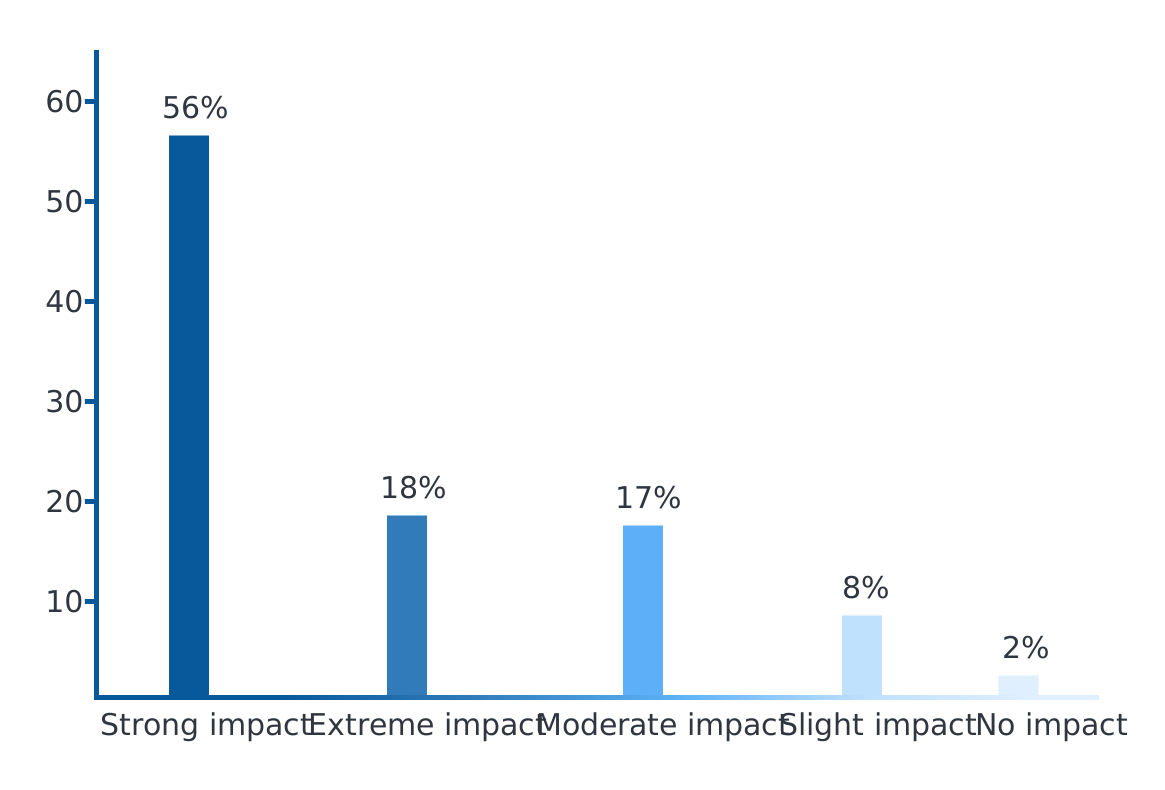
   In an <a target="_blank" href="https://www.evergage.com/resources/ebooks/trends-in-personalization-survey-report/" rel="noopener noreferrer">Evergage survey</a>, 74% of marketers said personalisation had a strong or extreme effect on customer relationships.

   Here's a detailed breakdown:
    <h4>What is the impact, if any, of personalization on advancing customer relationships?</h4>
    <div class="max-width:800px;">
   <img src="https://sirv-cdn.sirv.com/blog/Personalization/stats/RelationShips%20impact.svg" alt="image personalization impact">
</div>


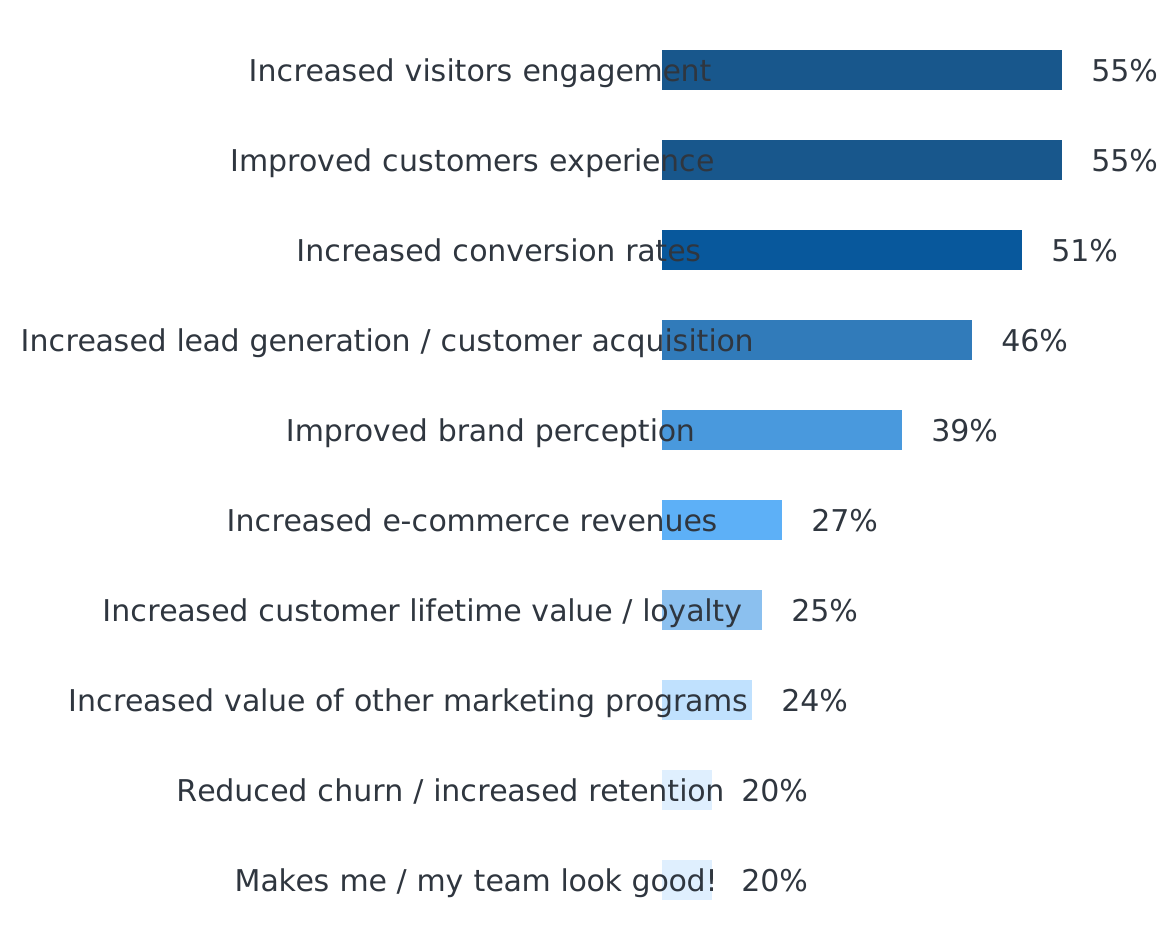
   The same survey asked which benefits marketers reported.
          <h4>What are the main benefits you see from personalization for your organization?</h4>
   <div style="max-width:800px!important;">
   <img src="https://sirv-cdn.sirv.com/blog/Personalization/stats/PersonalizationResults.svg" alt="image personalization benefits">
   </div>


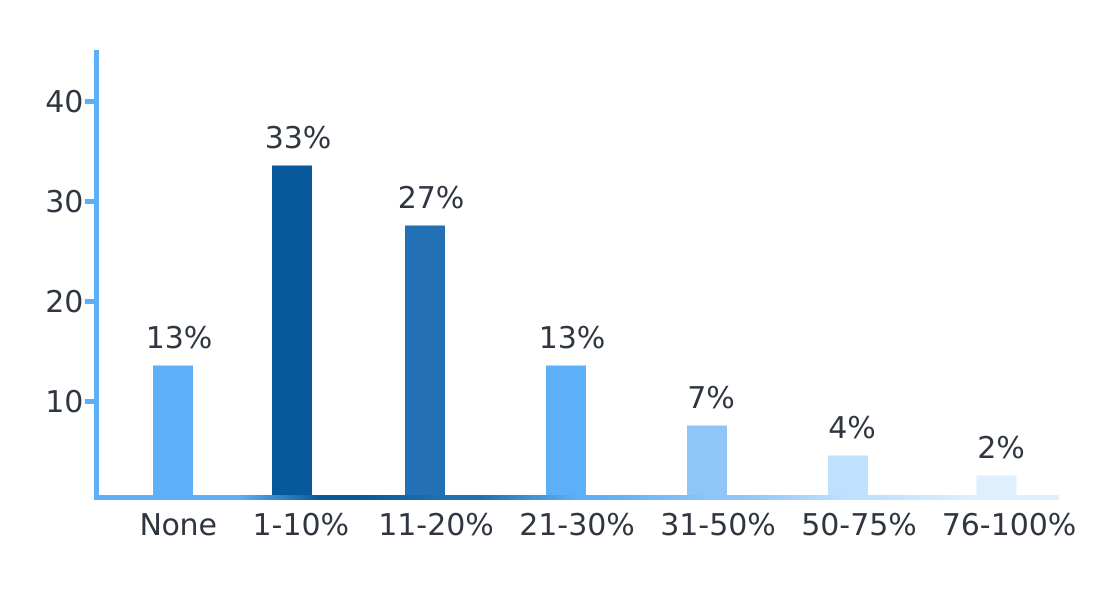
   It also asked what lift they measured.

   <h4>What percentage improvement or “lift” are you generally seeing from personalization efforts?</h4>
   <div style="max-width:800px!important;">
          <img src="https://sirv.sirv.com/blog/Personalization/stats/QuantifiableResults.svg" alt="image personalization results">
   </div>

   The rest of the article focuses on practical image examples and implementation.

   <h2 style="text-align:center" id="email" data-toc-title="Personalization in email">Image personalization in email</h2>
   <div class="full-image__container marginize">
      <div class="full-image--center">
          <img class="Sirv" alt="image personalization in email" data-src="https://sirv.sirv.com/blog/Personalization/Email_section2x.png?text.0.text=Hello%20Tom&text.0.position.x=68%&text.0.position.y=22%&text.0.position.gravity=northwest&text.0.size=15&text.0.color=5cb1f7&text.0.font.family=Pompiere&w=1600">
      </div>
      </div>
   Email is the most widely used channel for personalized content. Let's be honest, practically everybody uses some sort of merge tags in their email campaigns, so text personalization lost its WOW effect long ago.

   A personalised image gives an email another way to use the data already present in its merge fields.

   Here are a few examples.

   <h3 id="dicount"style="text-align:center;">Discount email</h3>
   <div class="wp-caption aligncenter">
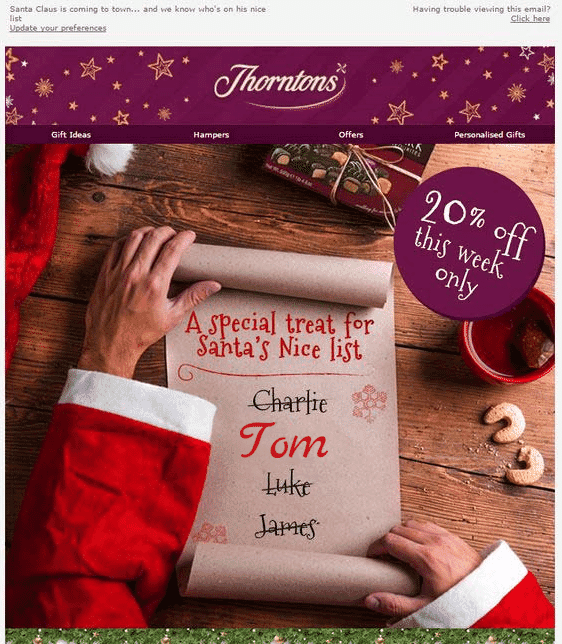
     <img alt="Thorntons image personalization email example" class="Sirv" data-src="https://sirv.sirv.com/blog/Personalization/examples/Santa_Good_Boy.png?text.0.text=Tom&text.0.position.x=41%&text.0.position.y=64%&text.0.position.gravity=northwest&text.0.color=c51717&text.0.font.family=Marck%20Script&&text.0.font.size=30px">
     <p class="wp-caption-text">An example campaign from Thorntons</p>
   </div>
   The recipient's name appears inside the artwork instead of only in the subject line or body copy.

   <h3 id="promo" style="text-align:center;">Promotional email</h3>
   <div class="wp-caption aligncenter">
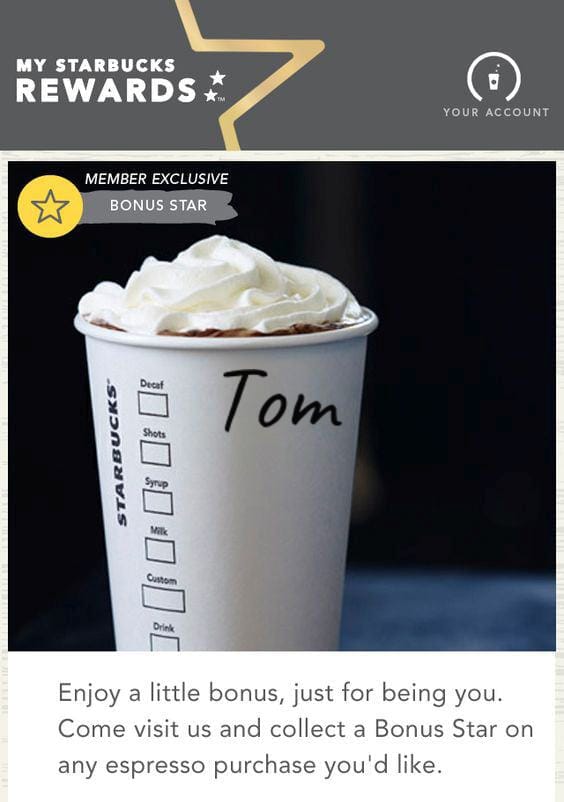
   <img alt="Starbucks image personalization email example" class="Sirv" data-src="https://sirv.sirv.com/blog/Personalization/examples/Starbucks%202.jpg?text.0.text=Tom&text.0.position=center&text.0.size=25&text.0.color=060606&text.0.font.family=Caveat">
   <p class="wp-caption-text">Yes, it's a name on a Starbucks coffee. If you've talked to our bot - it's your name on a Starbucks coffee, hehe.</p>
   </div>
   The name-on-a-cup image uses a familiar Starbucks detail instead of adding another line of personalised copy.

   <h3 id="cart-abandonment" style="text-align:center;">Cart abandonment</h3>

   Baymard's <a target="_blank" href="https://baymard.com/lists/cart-abandonment-rate" rel="noopener noreferrer">cart abandonment data</a> puts the average near 70%. A personalised product image is one thing worth testing in the recovery email.

   <div class="wp-caption aligncenter">
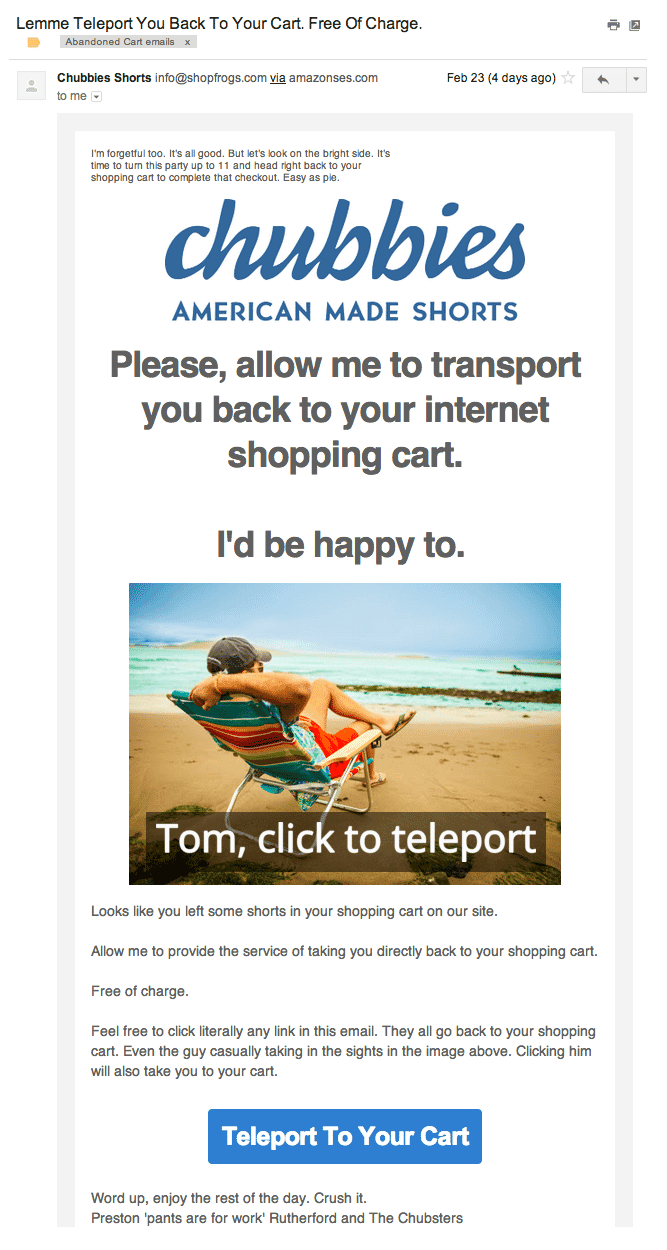
   <img alt="Chubbies shorts image personalization email example" class="Sirv" data-src="https://sirv.sirv.com/blog/Personalization/examples/chubbies_d37b2775-b52f-48e1-9b56-5eff5ed2bbf8.png?text.0.text=Tom, click to teleport&text.0.position.x=22%25&text.0.position.y=65%25&text.0.position.gravity=northwest&text.0.size=60&text.0.color=fafafa&text.0.font.weight=700&text.0.outline.width=3&text.0.outline.color=ffffff&text.0.background.color=black&text.0.background.opacity=50" />
   <p class="wp-caption-text">A cart abandonment campaign from <a target="_blank" href="https://www.chubbiesshorts.com/" rel="noopener noreferrer">Chubbies Shorts</a>. We added image personalization ourselves though.</p>
   </div>

   The image repeats the abandoned product and puts the recipient's name into the call to action.

   <h3 id="cold-as-ice" style="text-align:center;">Cold email</h3>
   Image personalization isn't limited to a name.

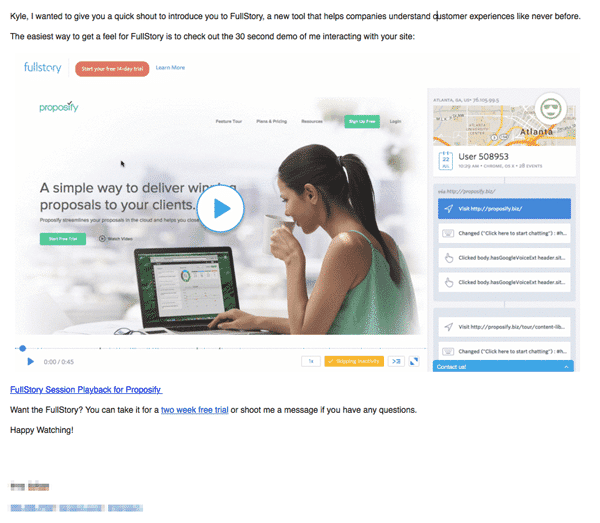
   <a target="_blank" href="https://fullstory.com/" rel="noopener noreferrer">FullStory</a> used website screenshots of their leads with a "play" button overlay. It makes a lot of sense, since FullStory's service is built entirely on recording visitor activity on your website.
   <div class="wp-caption aligncenter">
   <img alt="Fullstory image personalization cold email example"src="https://sirv-cdn.sirv.com/blog/Personalization/examples/Cold_email.png">
   <p class="wp-caption-text">FullStory used website image screenshots of their potential customers in their email. </p>
   </div>
   This email impressed Kyle Racki so much that he even created a blog post about it called <a target="_blank" href="https://www.proposify.com/blog/the-best-cold-email" rel="noopener noreferrer">The Best Cold Email I Ever Received</a>.

   PS: It's not hard to automate this process.

   <h3 id="newsletter" style="text-align:center;">Newsletter</h3>

   <div class="wp-caption aligncenter">
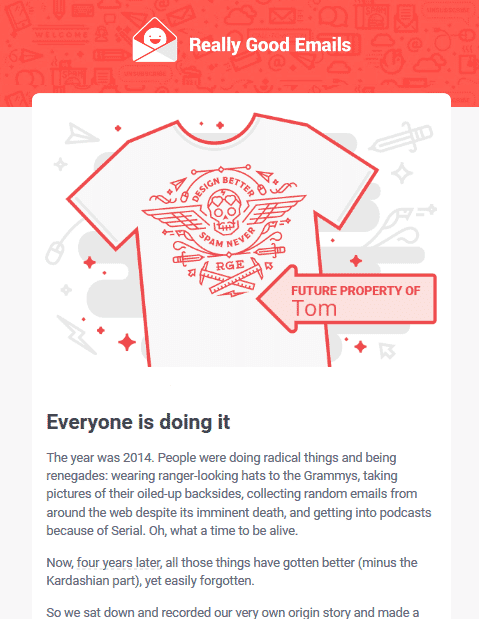
   <img alt="Really Good Emails Newsletter image personalization email example" class="Sirv" data-src="https://sirv.sirv.com/blog/Personalization/examples/RGE.png?text.0.text=Tom&text.0.position.x=59%25&text.0.position.y=46.9%25&text.0.position.gravity=northwest&text.0.font.size=13px&text.0.color=eb4d52&text.0.font.weight=700"/>
   <p class="wp-caption-text">Really Good Emails newsletter</p>
   </div>
   <a target="_blank" href="https://reallygoodemails.com/" rel="noopener noreferrer">Really Good Emails</a> has many more examples.


   <h3 id="event" style="text-align:center;">Event email</h3>
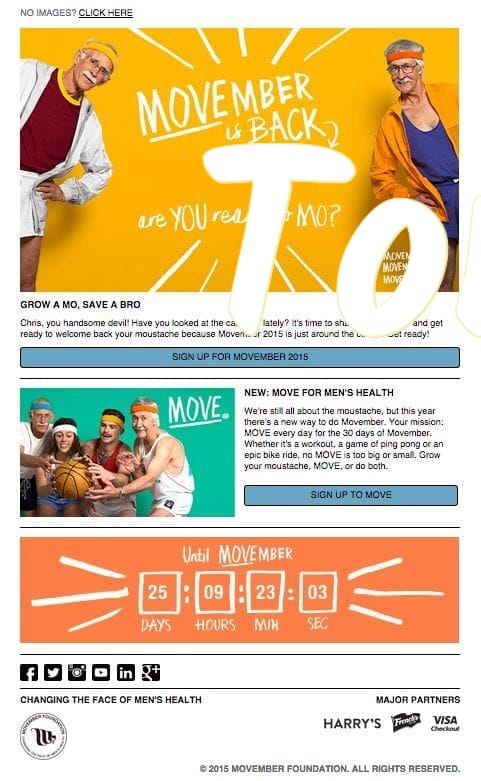
   <a target="_blank" href="https://www.movember.com/" rel="noopener noreferrer">Movember</a> combines direct copy with a personalised image.
   <div class="wp-caption aligncenter">
   <img alt="Movember image personalization email example" src="https://sirv.sirv.com/blog/Personalization/examples/movember_edited.jpg?text.0.text=Tom&text.0.position.x=40%&text.0.position.y=133px&text.0.position.gravity=northwest&text.0.color=white&text.0.font.weight=700&text.0.outline.color=f3ecb2&text.0.outline.width=1&&text.0.font.family=Kalam"/>
   <p class="wp-caption-text">With a rebel yell she cried mo, mo, mo!</p>
   </div>
   Good job, Movember people. There's nothing Mo you can do to beat this.

   <h3 id="survey" style="text-align:center;">Survey emails</h3>
   It's pretty hard to get people to take a survey without an incentive.

   A nice personalized image might change the odds in your favor:
   <div class="wp-caption aligncenter">
   <img class="Sirv" alt="Wirecutter image personalization email example" data-src="https://sirv.sirv.com/blog/Personalization/examples/wirecutter.png?text.0.text=Hey%20Tom%2C%0AGot%20a%20minute%3F&text.0.position.x=10%&text.0.position.y=25%&text.0.position.gravity=northwest&text.0.size=45&text.0.color=000000&text.0.font.weight=800" />
   <p class="wp-caption-text">Wirecutter. Again, we added a little bit of personal touch to this with the name.</p>
   </div>

   <h2 id="how" data-toc-title="How to personalize email campaigns">How to personalize email campaigns</h2>
   Looks cool? Here's how you can do it.

   It's quite simple since most marketing automation/email providers and personalization platforms support custom fields of some sort.

   You'll need two things:
   <ul>
   <li>Image personalization software</li>
   <li>Data</li>
   </ul>
   For <strong>image personalization</strong>, you can use Sirv. It's our blog, so no surprises here, right? :)

   If you’ve played with our bot, you can see that all images on this page are personalized with your name.

   Sirv generates images from parameters in the URL. Hover over the bold parts of this example for an explanation.
   <code><span class="highlighter" data-avia-tooltip="This is the path to our image in Sirv.">https://sirv.sirv.com/blog/Personalization/examples/Starbucks%202.jpg</span>?<span class="highlighter" data-avia-tooltip="This parameter adds text to the image. Use your *name* variable here. E.g. in Campaign Monitor it'll look like this: text.0.text=[name, fallback=Tom] instead of Tom">text.0.text=<strong>[name, fallback=Tom]</strong></span>&<span class="highlighter" data-avia-tooltip="This defines our text position, in this case it's centered. You have full control over the position.">text.0.position=<strong>center</strong></span>&<span class="highlighter" data-avia-tooltip="Our text size.">text.0.size=<strong>30</strong></span>&<span class="highlighter" data-avia-tooltip="Text color in hex.">text.0.color=<strong>060606</strong></span>&<span class="highlighter" data-avia-tooltip="Font family. All Google fonts are available.">text.0.font.family=<strong>Caveat</strong></span></code>
   The URL has these parts:
   <ul>
     <li><strong>https://sirv.sirv.com/blog/Personalization/examples/Starbucks%202.jpg</strong> - this is the image URL. Nothing special here.</li>
     <li><strong>text.0.text</strong> - this parameter is responsible for the actual text. In our case, it's [name, fallback=Tom]. You can have 4 separate text overlays active at a time.</li>
     <li><strong>text.0.position</strong> - takes care of our text's position. We have it set to "center". You can position your text however you like, more in our <a href="https://sirv.com/help/resources/dynamic-imaging/#Text_overlays" target="_blank" rel="noopener noreferrer">docs</a>.</li>
     <li><strong>text.0.size</strong> - determines our text size in relative size to the image. </li>
     <li><strong>text.0.color</strong> - sets the color of our text.</li>
     <li><strong>text.0.font.family</strong> - used to set our font-family. It's Caveat in this case. You can use Google fonts here. </li>
   </ul>
   You do not need to write the parameters by hand. Sirv's <a target="_blank" href="https://sirv.com/blog/image-customizer/" rel="noopener noreferrer">Image Customizer</a> provides a visual editor for text and image overlays.

   You're not limited to text overlays, you can <a target="_blank" href="https://sirv.com/help/resources/dynamic-imaging/#Watermark_overlays" rel="noopener noreferrer">add image overlays</a> and  <a target="_blank" href="https://sirv.com/help/resources/image-metadata/" rel="noopener noreferrer">use your image metadata</a>.
   <h3>What data to use in personalization</h3>

   For B2C you might want to collect:
   <ul>
   <li>Name</li>
   <li>Location</li>
   <li>Purchase history</li>
   <li>Demographic data</li>
   <li>Behavioral data</li>
   <li>Weather conditions</li>
   </ul>

   If you're short on data, you can always use data enrichment solutions to fill up this gap. <a target="_blank" href="https://clearbit.com/enrichment" rel="noopener noreferrer">Clearbit</a> is one of the most popular services for this. It can help you make  your forms shorter, further increasing your conversion rate.


  For B2B, demographic and behavioral data aren't as important.

   "<a target="_blank" href="https://en.wikipedia.org/wiki/Firmographics" rel="noopener noreferrer">Firmographics</a>" are a much better thing to focus on. Here's what you can work with:

   <ul>
   <li>Website</li>
   <li>Industry</li>
   <li>Annual revenue</li>
   <li>Company size</li>
   <li>Location</li>
   <li>Stage in the sale cycle</li>
   </ul>

   Again, you can use Clearbit to automatically gather firmographic data. Afterwards, you can quite easily customize your automation sequences and increase your conversions.


   <h3 id="advanced">Advanced techniques</h3>
   Most marketers segment their users based on demographics or location and email them in bulk. Some combine behavioral and demographic data with machine learning to achieve maximum levels of personalization.

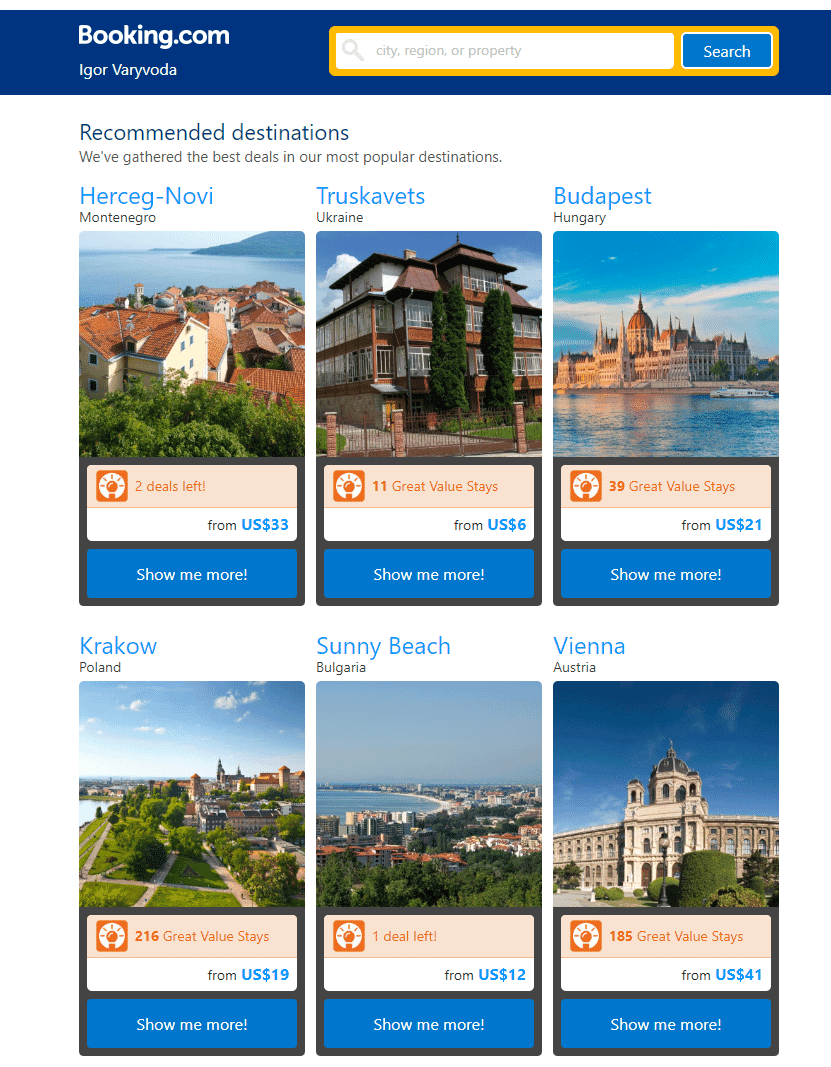
   A good example of this is <a href="https://www.booking.com/" target="_blank" rel="noopener noreferrer">Booking.com</a>. You've probably experienced their marketing first-hand. It's enough to visit a single page to instantly get retargeted with their ads all over the place, but that's pretty basic dynamic remarketing.

   If you sign up for Booking.com, here's where they start bombarding you with emails based on your behavior and demographic data.
   <div class="wp-caption aligncenter">
   <img alt="Booking.com personalized email example" src="https://sirv-cdn.sirv.com/blog/Personalization/examples/booking.png">
   <p class="wp-caption-text">A tidy list of deals, tailored to my interests.</p>
   </div>
   I did not express any interest in Sunny Beach or Krakow. But people similar to me did, so Booking.com's algorithms think that I'm likely to be interested in these locations. (While they weren't right in the Sunny Beach case, Krakow is definitely on my bucket list).

   Technically, the email is great. It's tidy and has deals.

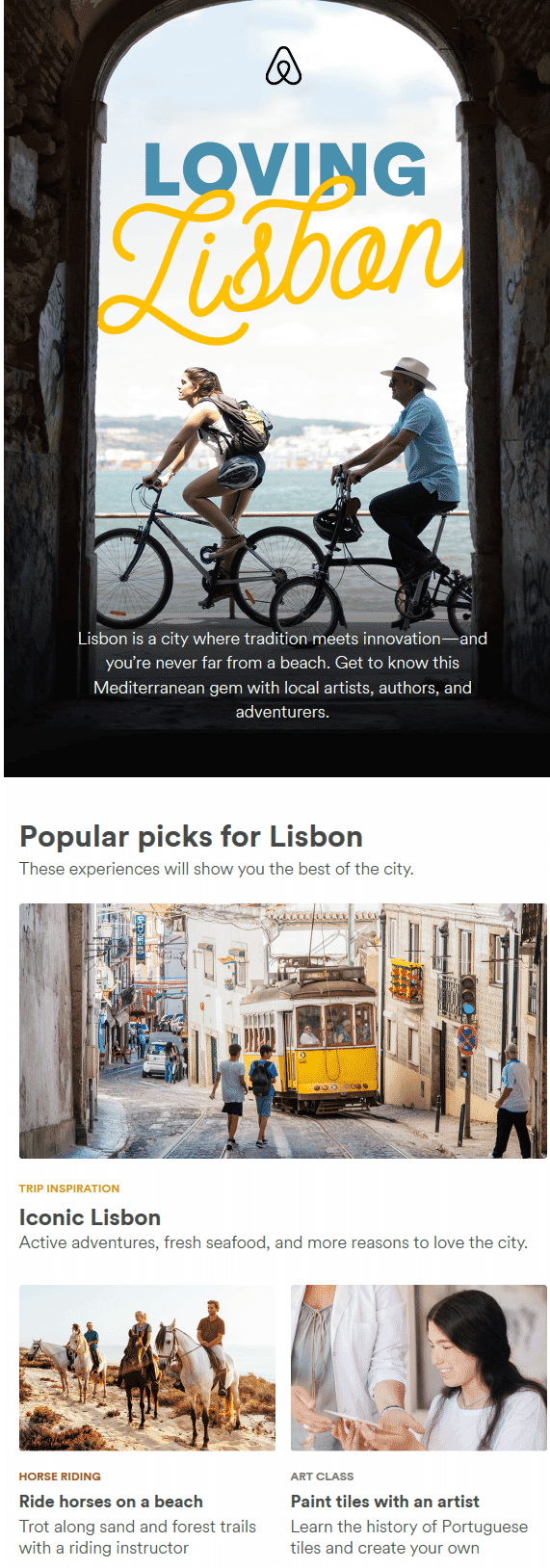
   Compare it to <a href="http://airbnb.com" target="_blank" rel="noopener noreferrer">AirBNB's</a> email below.
   <div class="wp-caption aligncenter">
   <img alt="AirBNB personalized email example" src="https://sirv-cdn.sirv.com/blog/Personalization/examples/Airbnb.png">
   <p class="wp-caption-text">
   <a target="_blank" href="https://reallygoodemails.com/wp-content/uploads/coastal-bike-rides-now-on-airbnb.html" rel="noopener noreferrer">Full email here</a></p>
   </div>
   The imagery, typography, and editorial content are stronger than Booking.com's email.


   The same approach also works on landing pages.

   <h2 id="landing">Personalized images on landing pages</h2>
   <div class="full-image__container marginize">
    <div class="full-image--center">
   <img alt="Personalized Images on landing pages" class="Sirv" data-src="https://sirv-cdn.sirv.com/blog/Personalization/Landing_page_section2x.png?w=1600">
    </div>
    </div>
   Landing-page personalisation can match the page to the campaign, search term, location, or known customer data.
   <blockquote>
   “On your first-ever visit to the site, we could show you something that would resonate with you. That was the holy grail and it actually worked. This is a huge competitive advantage for us.”
    - John Ewing, BMI Research
   </blockquote>

   There are several ways to personalize your landing pages:

   <ul>
   <li>Personalization by context: use URL parameters to detect ad keywords, campaign sources or anything you can think of. Then change the landing page content accordingly.</li>
   <li>Personalization by live data: grab location, business name and other firmographics with external services and use this data to personalize the landing page. </li>
   </ul>

   Here are some interesting examples that were proven to increase conversions.

   <h3 id="referrer">Referrer based personalization</h3>
   One of the most common techniques is to use the Campaign Source to personalize your landing page content. This way you can show different copy or design elements to people coming from different campaigns.

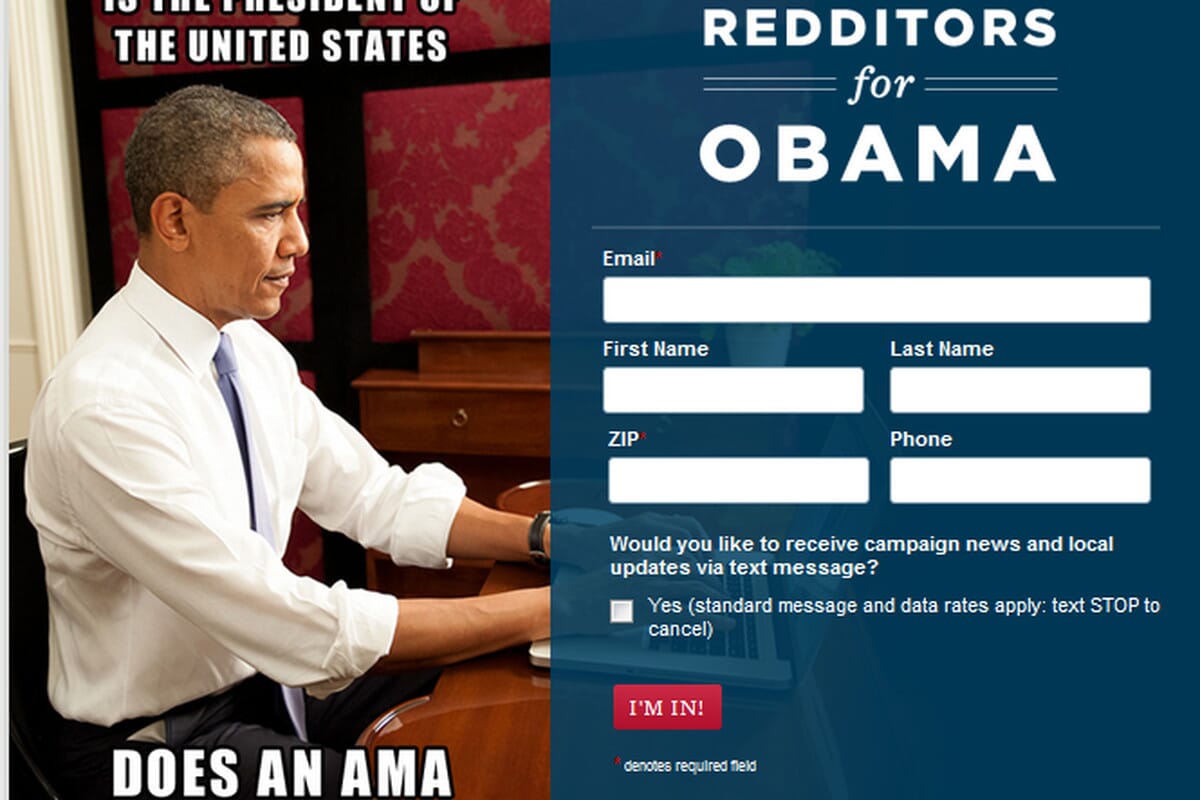
   Here's what Obama did for people coming from <a href="https://www.reddit.com/" target="_blank" rel="noopener noreferrer">Reddit</a>.
  <div class="marginize">
   <img class="Sirv" alt="Obama reddit AMA landing page example" data-src="https://sirv-cdn.sirv.com/blog/Personalization/examples/obama_does_an_ama.png.jpg">
</div>
   If you ever visited ProductHunt or HackerNews, you'll often see this tactic used.
   <div class="wp-caption aligncenter">
    <img class="Sirv" alt="Owox Product Hunt callout example" data-src="https://sirv-cdn.sirv.com/blog/Personalization/examples/owox_ph.png">
    <p class="wp-caption-text">Owox used a huge call-out for people who came from ProductHunt</p>
</div>
   It's not really hard to pull off and can help you increase conversions dramatically.

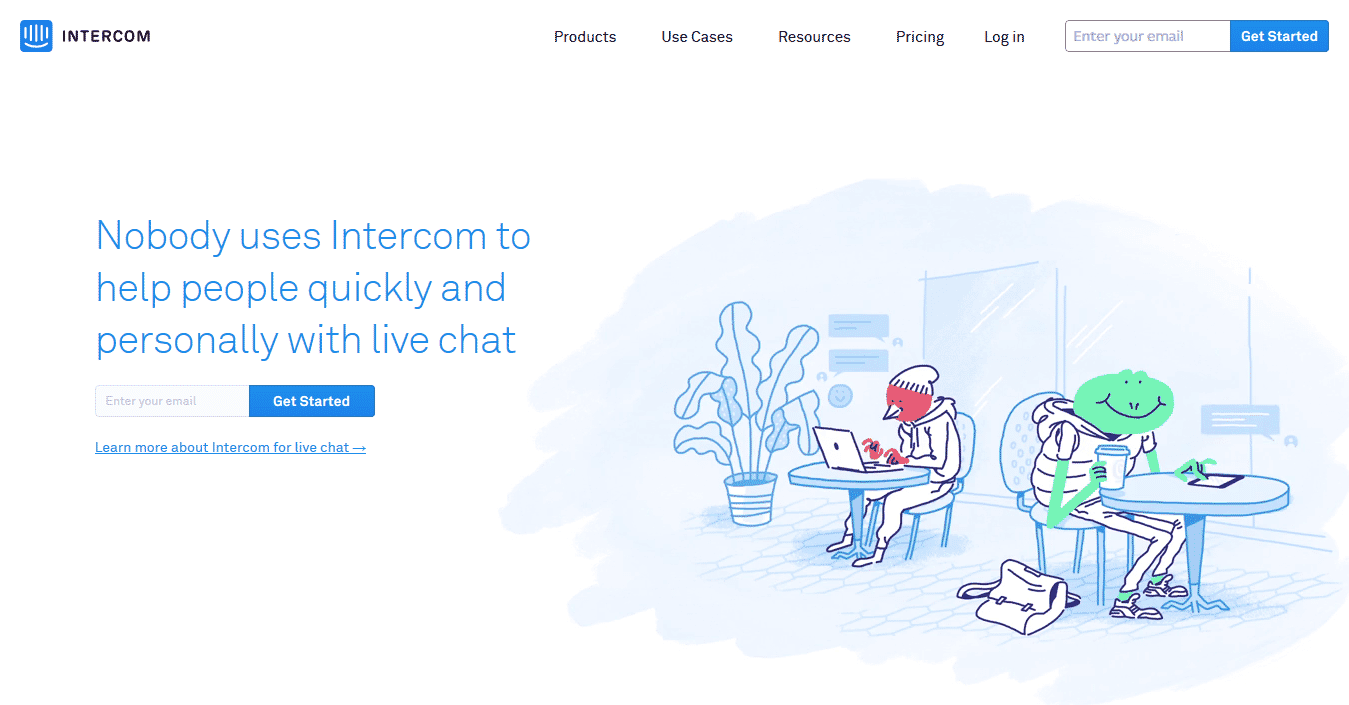
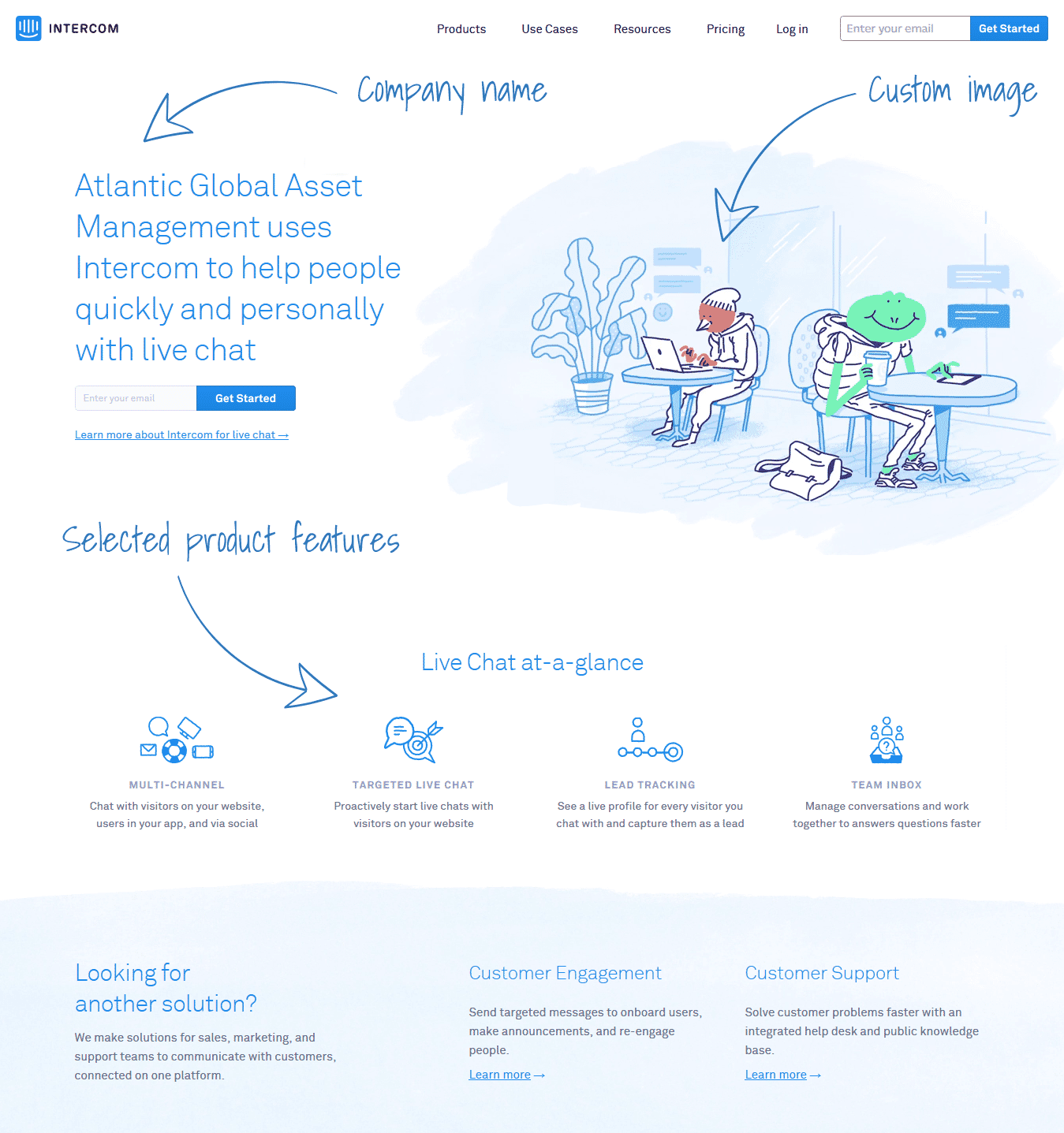
   If you've ever noticed Intercom's chat widget, you've probably seen that they include a "powered by Intercom" link. If you click it, you'll see a page like <a target="_blank" href="https://www.intercom.com/intercom-link?company=Atlantic%20Global%20Asset%20Management&solution=live-chat" rel="noopener noreferrer">this</a>:
   <div class="marginize" style="max-width:800px;">
   <img alt="Intercom personalized referrer landing page" class="Sirv" data-src="https://sirv-cdn.sirv.com/blog/Personalization/intercom_referrer_modified.png">
   </div>

   They grab the "company" parameter's value and insert it into the page dynamically. They also show a stylish illustration and selected product features based on their second URL parameter - "solution".

   The same pattern can use any controlled value passed in the URL.

   However, make sure you have full control over how your URLs are generated, to avoid unwanted results like this:
   <div class="wp-caption aligncenter">
     <img alt="Intercom landing page humor attempt" src="https://sirv-cdn.sirv.com/blog/Personalization/examples/intercom_lol.png">
     <p class="wp-caption-text">It's totally fabricated. But you get the point.</p>
   </div>
   <h3 id="dki">Dynamic keyword insertion</h3>
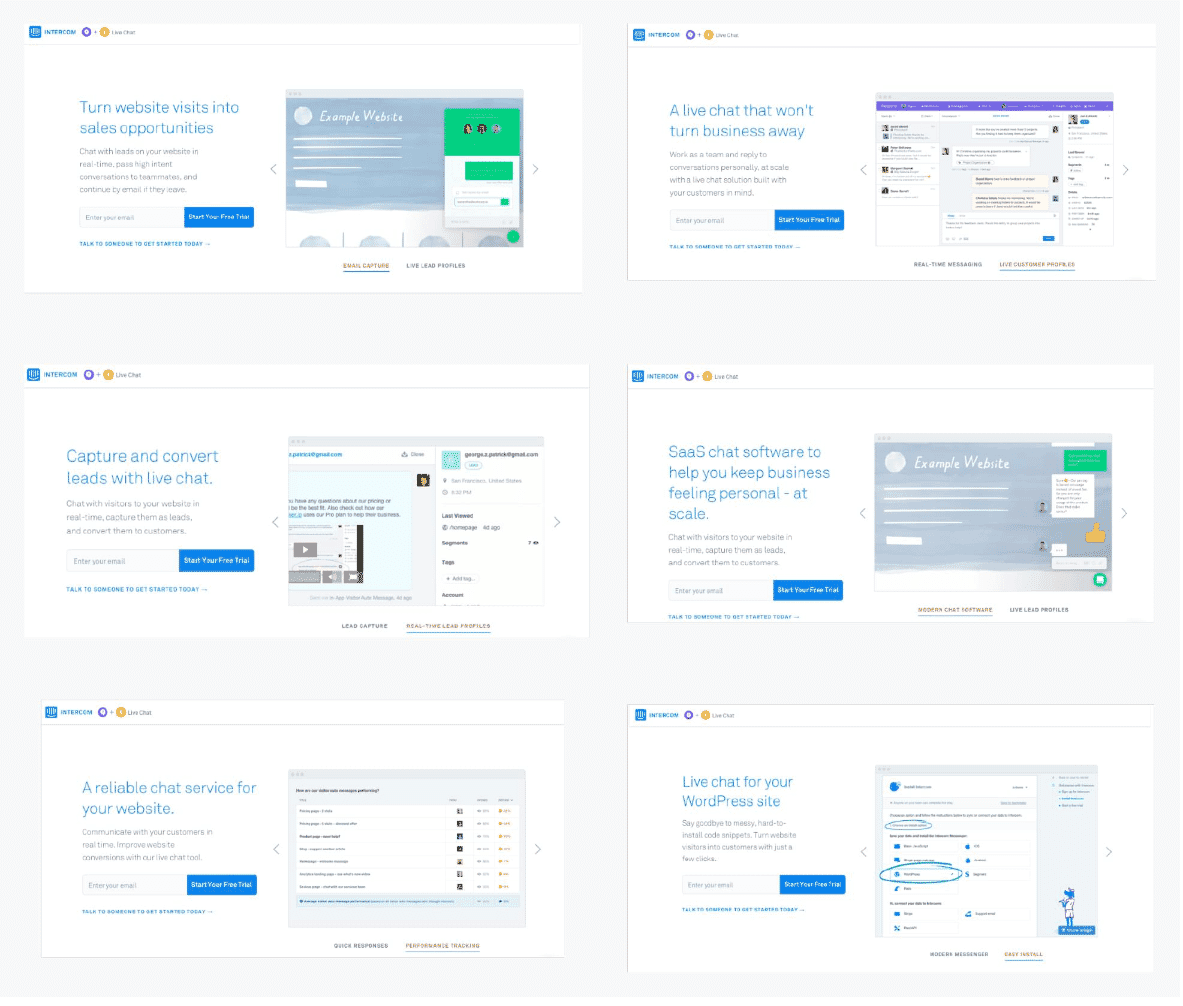
   Provided out-of-the box in <s>AdWords</s> Google and Bing ads, dynamic keyword insertion has proven itself to boost conversion rates and landing page quality scores. You're basically dynamically changing your landing page elements based on search keywords.

   <a target="_blank" href="https://www.intercom.com/blog/convert-your-ad-traffic-with-personalized-landing-pages/" rel="noopener noreferrer">Intercom reported</a> a <strong>300% conversion-rate increase</strong> after matching landing pages to ad content.
   <div class="marginize" style="max-width: 800px;">
   <img alt="DKI INtercom landing page examples"class="Sirv" data-src="https://sirv-cdn.sirv.com/blog/Personalization/examples/Intercom.png">
   </div>
   Broad-match keyword insertion can produce nonsense. Campaign and ad-group data are safer inputs for landing-page changes.

   <h3 id="location-personalization">Personalization by location</h3>
   Location can change which image makes sense. People in Chile and British Columbia do not need the same weather message.

   Nationwide Insurance experimented with their landing page, serving a different version for people from cold regions.
   <div class="wp-caption aligncenter">
     <img class="Sirv" alt="Nationwide insurance landing page example. Before."data-src="https://sirv-cdn.sirv.com/blog/Personalization/examples/VersionAlg81.jpg">
   <p class="wp-caption-text">Before</p>
   </div>
   <div class="wp-caption aligncenter">
     <img class="Sirv" alt="Nationwide insurance landing page example. After." data-src="https://sirv-cdn.sirv.com/blog/Personalization/examples/VersionBlg81.jpg">
   <p class="wp-caption-text">After</p>
   </div>
   I'd argue that the "snowy" version is just better all around with its nicer contrast, a smiling girl and other subtle changes, regardless it performed much better in colder regions, where it was served. It's easier for people to receive your message if they can relate to it visually.

   <!-- <h3>Personalization by firmographics</h3> -->

   <h2 style="text-align:center;" id="banners" data-toc-title="Personalized banners">Personalized banners</h2>
<div class="full-image__container marginize">
      <div class="full-image--center">
          <img alt="personalized banners" class="Sirv" data-src="https://sirv.sirv.com/blog/Banner_section%402x.png?text.0.text=Tom%2C%20your%20new%20home%0Ais%20waiting&text.0.position.x=20%&text.0.position.y=35%&text.0.position.gravity=northwest&text.0.size=30&text.0.color=327bba&w=1600&text.0.font.family=Raleway">
      </div>
      </div>

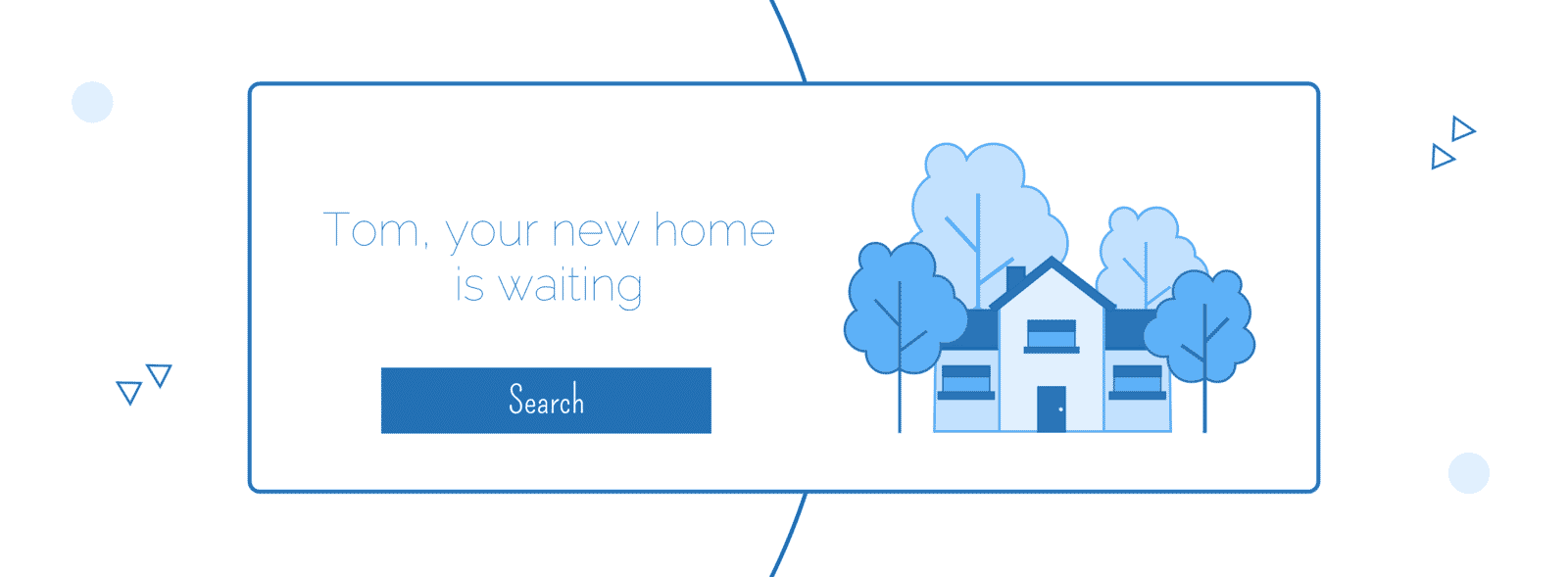
   When it comes to the most commonly used personalization format, banners lead the way.

   This is because email is the most widely used personalization channel.

   It doesn't mean that banners are limited to email only. You can use them on landing pages, pop-ups and chat bots.

   We've created some examples using Sirv to show you what's possible.

   <h3 id="simple-banner">Simple banner with an overlay</h3>

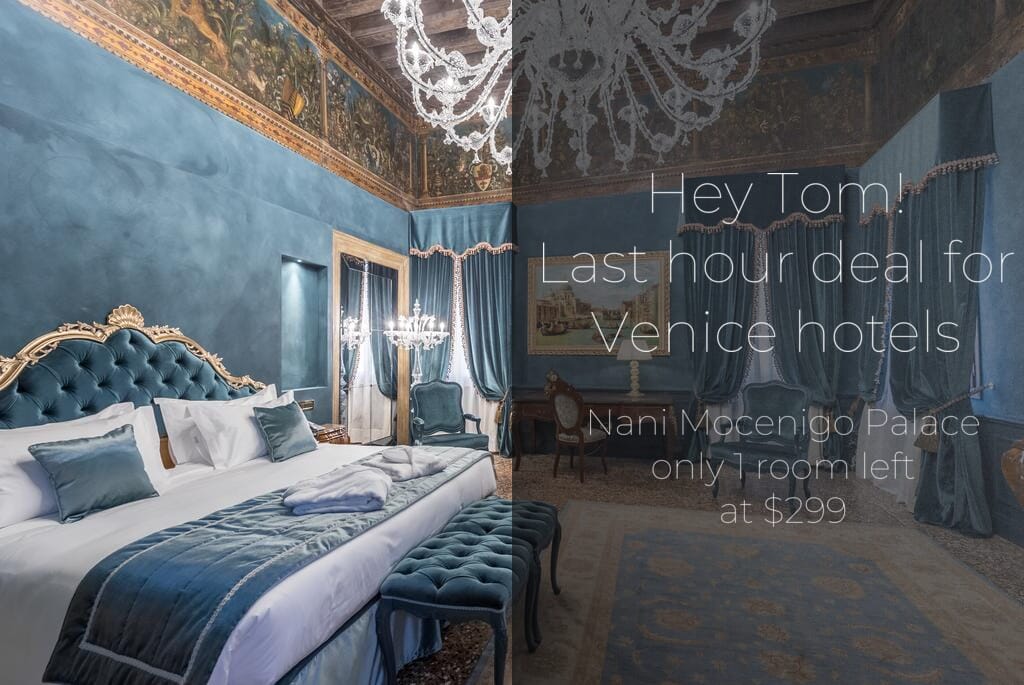
   Using someone's name together with a call-to-action can yield a <a target="_blank" href="https://blog.hubspot.com/marketing/personalized-calls-to-action-convert-better-data#sm.000awoxgniktcoi11jl2et1nit4os" rel="noopener noreferrer">42% higher view-to-submission rate</a> compared to generic CTAs:
   <div class="marginize">
   <img class="Sirv" alt="personalized travel agency banner" data-src="https://sirv.sirv.com/blog/Personalization/venice-hotel.jpg?text.0.text=Hey%20Tom!%0ALast%20hour%20deal%20for%0A${EXIF.XPSubject}%20hotels&text.0.size=48&text.0.color=ffffff&watermark.0.image=/blog/Personalization/gradient-graphite.jpg&watermark.0.position=east&watermark.0.opacity=80&watermark.0.scale.width=50%&watermark.0.scale.height=100%&watermark.0.scale.option=ignore&text.0.font.family=Montserrat&text.1.text=${EXIF.XPTitle}%0Aonly%201%20room%20left%0Aat%20${XMP.Subject}&text.1.color=white&text.1.size=40&text.1.font.family=Montserrat&text.0.position.gravity=east&text.0.position.x=0&text.0.position.y=-80&text.1.position.gravity=east&text.1.position.x=-35&text.1.position.y=125" alt="Personalized image for a hotel in Venice" width="1024" height="685" />
   </div>

   <h3 id="gif-slideshows">Personalized GIF "slideshows"</h3>

   Sirv can create animated personalized banners. Just upload a set of images and you can create an animated GIF in mere seconds.

   Offer a discount, with images and a unique message tailored to each customer:
   <div class="marginize">
   <img class="Sirv" alt="personalized GIF slideshow of real estate properties" data-src="https://sirv.sirv.com/blog/Personalization/house/house.spin?image&text.0.text=Want a new family home, Tom%3F&text.0.position=north&text.0.color=332e2a&text.0.size=70%&text.1.text=Check out these%0A5 new properties in Appleford&text.1.position=south&text.1.color=white&text.1.size=66%&text.0.font.family=Oleo%20Script&text.1.font.family=Bangers&text.0.outline.width=12px&text.0.outline.color=white&text.1.outline.width=12px&frame.style=mirror" />
  </div>
   <h3 id="360-product-spins">360-degree product spins </h3>

   Automatically change the product/name/price to encourage customers to purchase particular products:
   <div class="marginize">
   <img class="Sirv" alt="Personalized 360 product gif of Makita drill" data-src="https://demo.sirv.com/drill/drill.spin?image&canvas.height=550&canvas.width=750&canvas.position=southwest&text.0.text=Prices%20dropped,%20Tom!&text.0.position=north&text.0.size=70&text.0.color=black&text.0.font.family=Prosto%20One&text.0.outline.color=white&text.0.outline.width=3&text.0.outline.blur=8&text.1.text=$19.99&text.1.position=southeast&text.1.size=45&text.1.color=red&text.1.font.family=Bangers&text.1.outline.color=white&text.1.outline.width=4&text.1.outline.blur=8&text.2.text=Makita%0AXD%209803%0Aonly%20for&text.2.position=east&text.2.size=45&text.2.color=black&text.2.outline.color=white&text.2.outline.width=4&text.2.font.family=Prosto%20One&text.2.outline.blur=8">
</div>
    Displaying your 360-degree product images as personalized GIFs seems like no small task.

   <h3 id="product-personalization">Custom product personalization</h3>

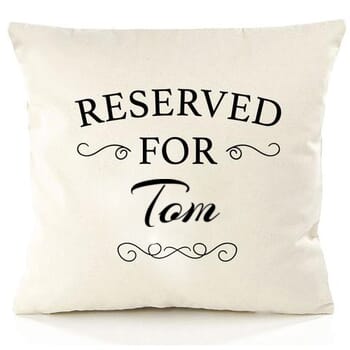
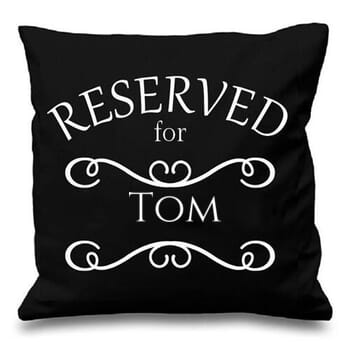
   Give your customers an instant preview of how their customized product could look. It's easy to build product customization tools for your online store:
   <div class="marginize">
   <section style="width: 90%; height: 350px; margin: auto; padding: 16px 16px 8px 16px; text-transform: uppercase; font-size: 16px; text-align: center; color: #222222;">
   <div style="width: 45%; height: 280px; float: left;">
   <img class="Sirv" alt="personalized product - white cushion" data-src="https://sirv.sirv.com/blog/Personalization/sales/cushion.jpg?h=350&text=Tom&text.position.gravity=center&text.position.x=0&text.position.y=28&text.font.size=40px&text.color=black&text.font.family=Arizonia" alt="Personalized cushion in white" height="350" width="350" />
   </div>
   <div style="margin-left: 55%; height: 280px;">
   <img class="Sirv" alt="personalized product - black cushion" data-src="https://sirv.sirv.com/blog/Personalization/sales/cushion-black.jpg?h=350&text=Tom&text.position.gravity=center&text.position.x=0&text.position.y=32&text.font.size=25px&text.color=white&text.font.family=Cinzel" alt="Personalized cushion in black" height="350" width="350" /></div>
   </section>
   </div>
   <h3 class="js-toc-ignore">Create a personalised image</h3>
  How do you create personalized images with Sirv?

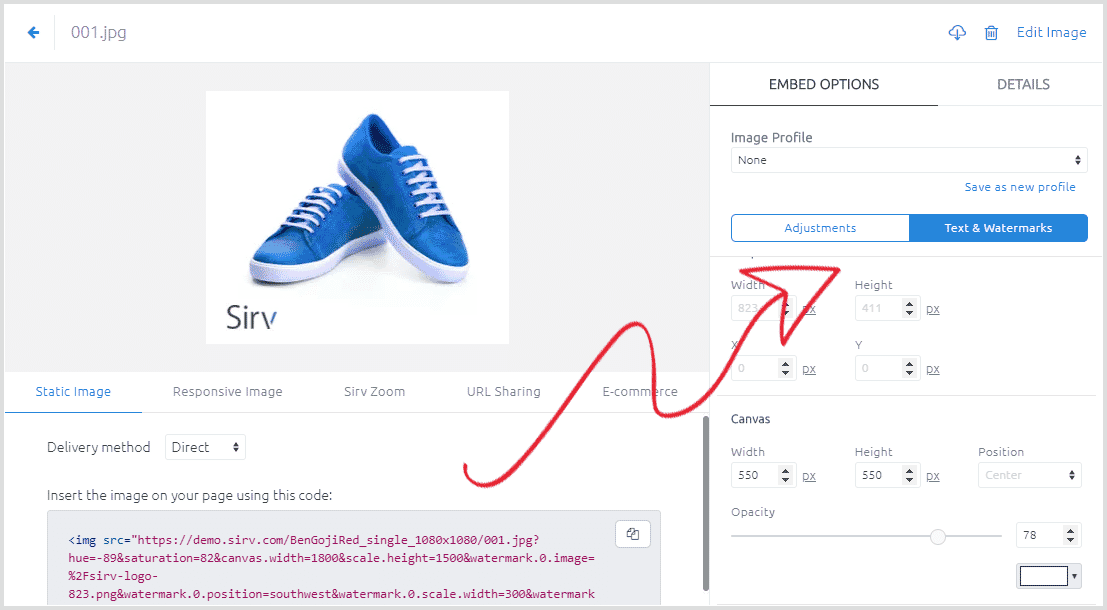
   Use merge tags or custom fields with Sirv's <a target="_blank" href="https://sirv.com/help/resources/dynamic-imaging/#Table_of_options" rel="noopener noreferrer">Dynamic Imaging options</a>, or use the image customiser. Click an image in <a target="_blank" href="https://my.sirv.com/" rel="noopener noreferrer">your account</a> and adjust the options on the right:

   <img class="Sirv" data-src="https://sirv.sirv.com/website/screenshots/screenshot-sirv-customizer.png?profile=screenshots-grey-border" alt="Sirv image customizer screenshot" width="750" height="410" />

   <a target="_blank" href="https://my.sirv.com/signup/" rel="noopener noreferrer">Create your Sirv account</a> to start personalizing images.

   Got any questions? Our <a target="_blank" href="https://sirv.com/contact/" rel="noopener noreferrer">expert support</a> team will happily provide any help you need.
   <script src="https://cdn.jsdelivr.net/vue/2.0.5/vue.min.js"></script>
   <script src="https://sirv.com/wp-content/themes/sirv/js/botui.js"></script>
   <script src="https://sirv.com/wp-content/themes/sirv/js/bot-article.js"></script>
  <div class="toc-container">
  <div id="toc">
  </div>
  </div>


---

[Canonical HTML](https://sirv.com/blog/image-personalization-examples/) · [Sitemap](https://www.varyvoda.com/sitemap.xml)